

Gallium 68 PSMA PET BT
Our Services
Gallium 68 PSMA PET BT
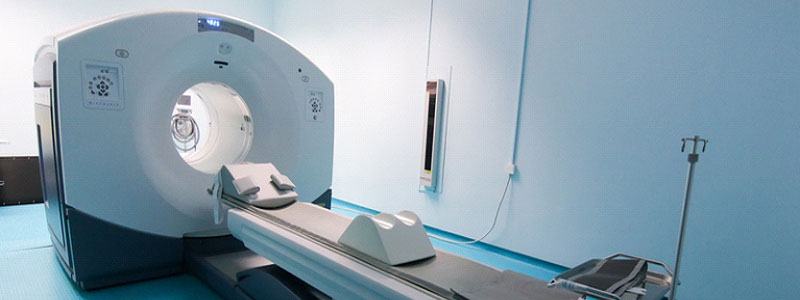
Ga 68 PET/CT IMAGING with PSMA
The most advanced form of controlled use of radioactive substances in the field of health is Positron Emission Tomography (PET). F-18 deoxyglucose (FDG) is a radioactive substance marked glucose that is rapidly consumed by cancer cells. With this method, the location and spread of cancer cells in the body can be easily determined in the most advanced way. Determining the location and distribution of the disease is the most important information required for the treatment plan. For this reason, PET scintigraphy has become an examination method frequently used by cancer patients. More precise information about the location of the disease can be obtained by combining PET scintigraphy images with computed tomography images.
However, in some types of cancer, such as prostate cancer, FDG PET is useless and rarely used.
Other drugs can be used instead of FDG in PET/CT scintigraphy. One of these is PSMA marked Ga-68. PSMA is a type of antigen protein found on prostate cancer. An antibody protein corresponding to this antigen protein has been produced. The antibody protein finds and adheres to the PSMA antigen protein in the body, just like a key and lock. In this way, PSMA PET/CT can be used with high sensitivity in the diagnosis and staging of prostate cancer. With this method, patients are not given very high radiation. The procedure takes about 30-45 minutes.
Prostate cancer is the most common type of cancer in men. Various methods can be used to treat the disease. However, in order to make this decision, it is necessary to know exactly how common the disease is. This is called staging. Various methods such as CT, MRI and bone scintigraphy can be used to know the stage of the disease. However, none of these are successful enough. With the newly introduced Ga 68 PSMA PET CT method, the whole body can be imaged and the spread of diseased tissues is detected with high sensitivity. This method can still be used in very few places in the world. With Ga 68 PSMA PET CT, prostate cancer can be diagnosed with high sensitivity in a much shorter time and with fewer procedures, and its spread is shown.