

Interventional radiology
Our Services
Interventional radiology
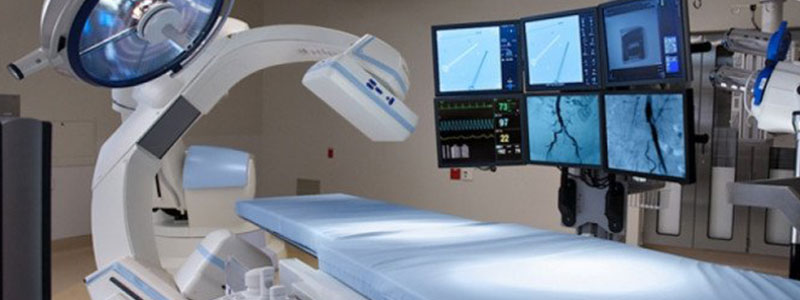
Interventional Radiology (BIOPSY accompanied by MRI-CT-USG-MAMMOGRAPHY)
It is a method of treating many diseases with percutaneous intervention as an alternative to surgery.
Biopsy is the process of taking samples from organs thought to be diseased for diagnostic purposes using Emar (MRI), Computed Tomography (CT), Ultrasound (USG) and Mammography devices.
The tissue pieces taken are examined under a microscope and a definitive histopathological diagnosis is made. Treatment is planned and performed depending on this diagnosis.
The concept of "Interventional Radiology" is a higher specialization branch of Radiology Specialization that has found application in the world and simultaneously in our country in recent years. This concept includes a series of therapeutic procedures that can be performed with the help of these devices in a group of patients whose definitive diagnosis has been made with radiological devices.
Why Interventional Radiology?
- It can be performed in cases where surgery cannot be performed
- Its results are similar to surgery and other treatment approaches
- Usually does not require anesthesia
- Low complication rates
- Short hospital stay and easy care
- Generally, lower cost is the reason why it is preferred.
Biopsies:
-
Fine needle aspiration biopsies or Tru-cut biopsies are performed with various radiological imaging techniques (Ultrasonography and/or Computed Tomography).
-
Neck masses and Thyroid nodules
-
thorax masses
-
Intra-abdominal organ biopsies (liver, pancreas, kidney)
-
Bone biopsies are performed.