

PET-CT
Our Services
PET-CT
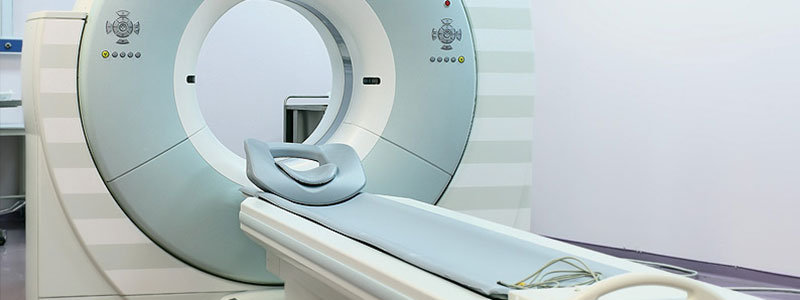
PET/CT is the most advanced medical imaging technique used especially in oncology to detect the tumor, determine its grade (staging), evaluate the response to treatment, radiotherapy planning and, in some cases, determine whether the existing mass is benign or malignant. It is also used to determine the focus of epilepsy in epilepsy patients, to diagnose neurological cases such as Alzheimer's disease at an early stage, and to investigate the presence of living tissue in the heart after a heart attack.
Its most important feature is that it provides functional information and captures whole body images in 3D.
Where is PET used?
The most common area of use is oncological studies. (by 85%)
Additionally, PET images can be performed in the heart (10%) and brain (5%).
1- In oncology studies, whole body images are taken. It provides information about whether the suspicious lesion contains cancer tissue, whether it has spread throughout the body, the effectiveness of the treatments, and recurrences after treatment.
2- Cardiac PET; Only images of the heart are taken. It is the most reliable method used to determine the viability of the heart muscle.
3- Brain PET; It is used especially in detecting the location of epileptic foci that are resistant to medical treatment and for which surgical treatment is considered, and in the early diagnosis of Alzheimer's disease and in distinguishing it from other types of dementia.
What are the indications of PET in oncological cases?
1 - In the investigation of the possibility of malignancy of the mass detected by other imaging methods;
-Lung cancer
-Oesophageal cancer
-Colorectal cancer
-lymphoma
-Melanoma
-Ovarian-cervical cancers
-Can be used in head and neck cancers.
2 - In the initial staging of a known tumor mass before treatment and in its staging after treatment;
-Lung cancer
-Oesophageal cancer
-Colorectal cancer
-lymphoma
-Melanoma
-Ovarian-cervical cancers
-Can be used in head and neck cancers.
3 - In evaluating the response to treatment; If the ineffectiveness of the chemotherapy the patient receives is detected in the early stages, the treatment schedule may change.
4 - In post-treatment follow-ups, evaluation of recurrences or residual tissue
5 - In staging the primary tumor and determining prognosis (especially in a known head and neck tumor or glioma)
6 - In determining the biopsy location in a known mass; Biopsy taken from the area where the uptake is concentrated does not provide the correct diagnosis.
What are the materials used for PET extraction?
Today, FDG (2-Fluorodeoxy-D-glucose) bonded with f-18, which shows glucose metabolism, is mostly used (95%). In addition, positron emitting radionuclides such as C-11, N-13, O-15 are used to provide information about perfusion, metabolism and receptors by binding with various agents. (most of these are used in routine).